Credits:
Man: Anthony Jackson & Mike Timoney
Woman: Julie Bergstein & Lisa Dove
Child: Idra Beane Rutter & Isabella Huyler
Director: Paul DeSilva
Producer: Batya Feldman
Cinematographer: Martin Parsekian
Set Designer: Elizabeth Chaney
Production Assistant: Elizabeth Renstrom
Music Editor: Anders Nils
The first iteration of this project came about in response to the Straight 8 film competition, in which you shoot a film on a single cartridge of Super8 using only in-camera edits, then send it to the contest for processing and scanning. In February of 2020, having just bought a new Super8 camera, I got some friends together and shot Another Dollar, and sent it off to the contest. Some months later, after not having made the shortlist and getting access to the scans, I saw that the entire film was completely out of focus. I got the lens collimated and wrote the film off as a failure.
After a few years had gone by, I’d been thinking about this project and looked back at the scan of the film. I could remember what those images looked like through the viewfinder and I realized that the pacing and good and the story read well. If it had been in focus, I would have been pretty happy with it. So in 2024, I decided to reshoot the film, this time with the luxury of getting to shoot more than a single roll, and getting to do editing in post. If I was going to go through the hassle of doing it all again, I thought about what I could improve and decided to allocate some money toward the project.
I first reached out to Batya Feldman who agreed to come on board as the Producer and we spent a couple months talking through the project and putting together a budget. Batya is the only reason I was able to get the pieces pulled together and Producer doesn’t cover her numerous contributions to the project as she was the AD on the day, and even singlehandedly pulled together casting options from her pool of actors and friends. Batya and I went down a route of sourcing and scouting several elevators in commercial buildings that might have quieter days on a Sunday or at night, but most of them came back to use with multi-thousand dollar rental fees, COI requests, and stringent rules on access and use.
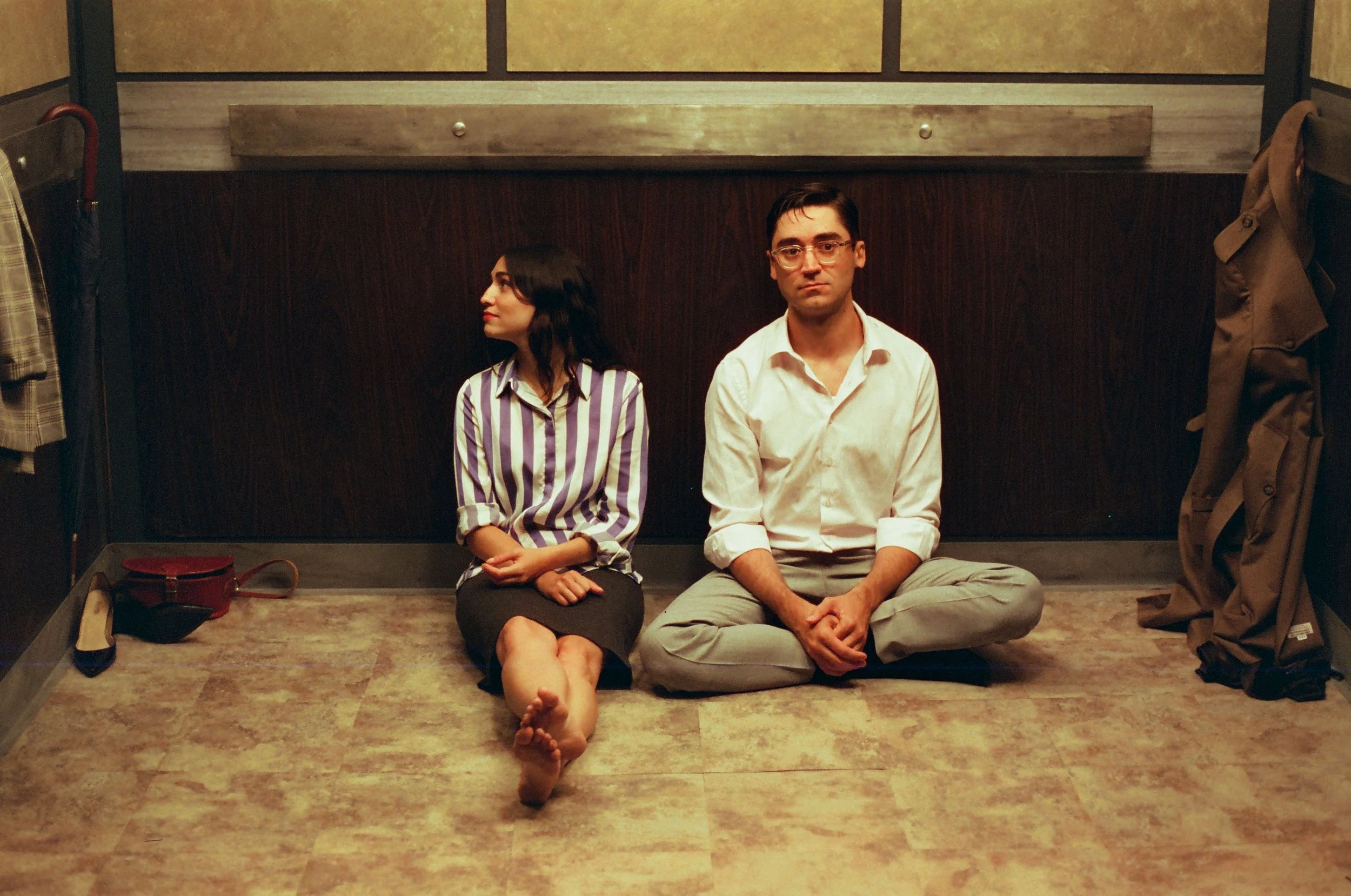
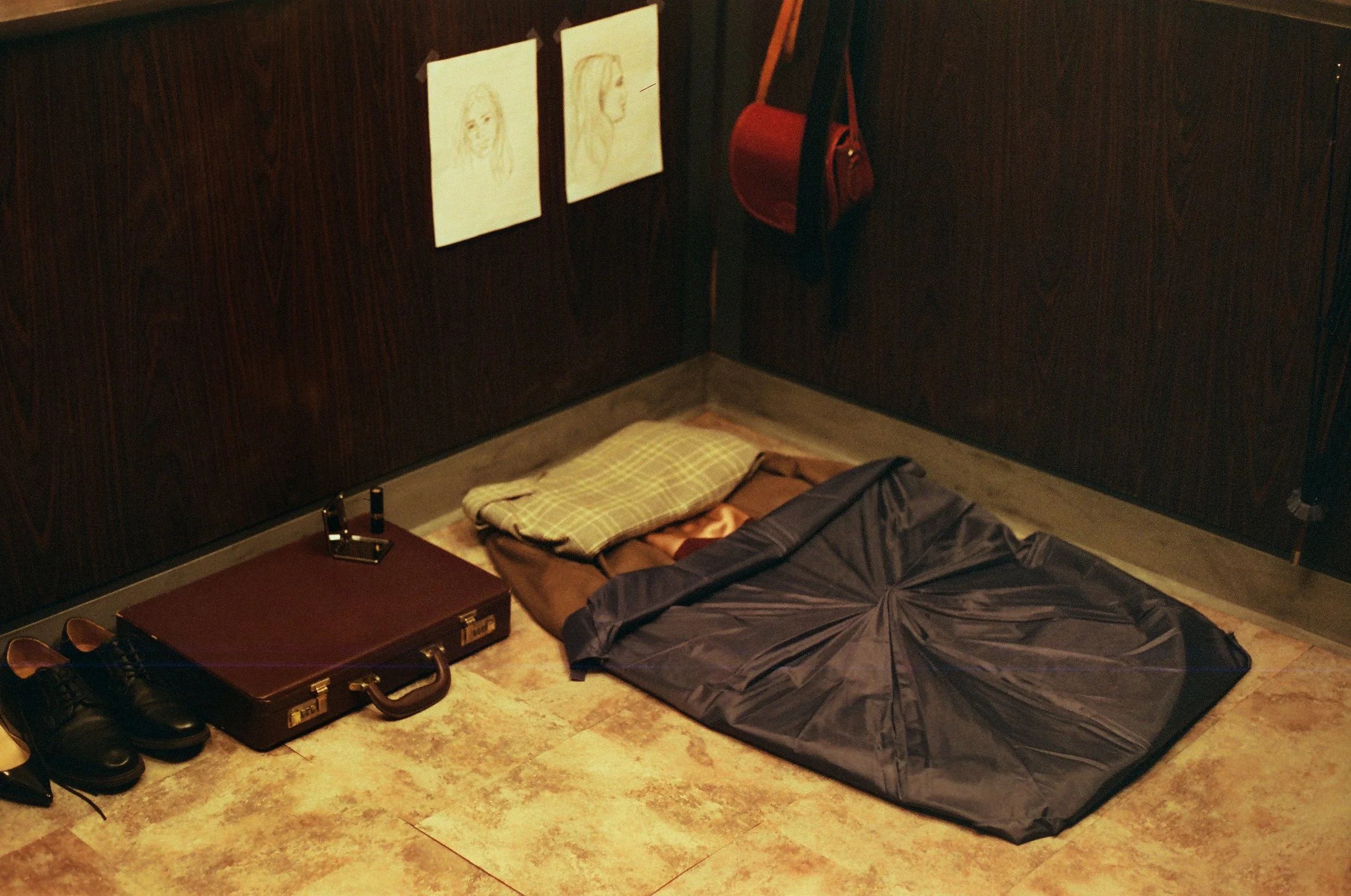
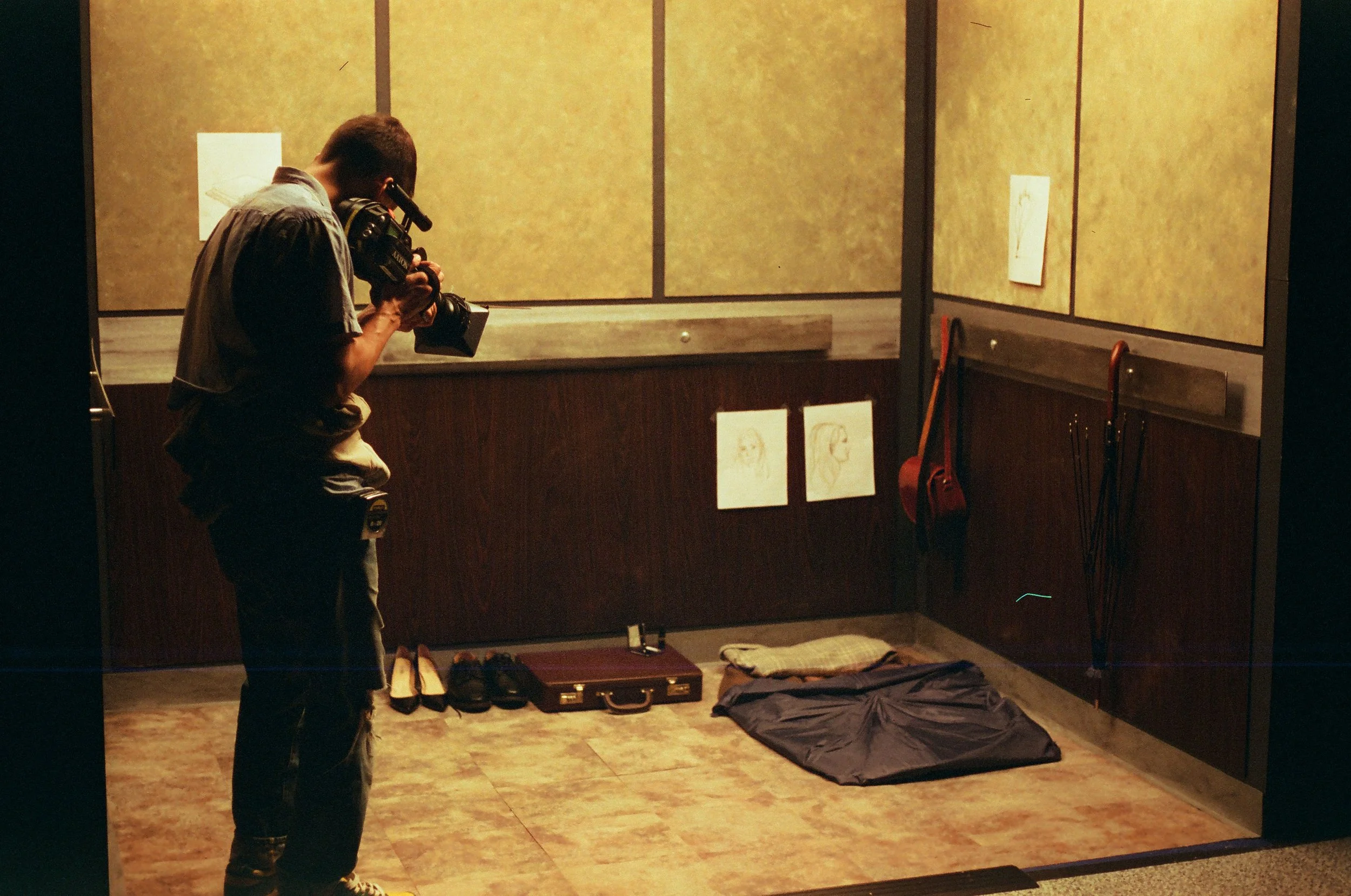
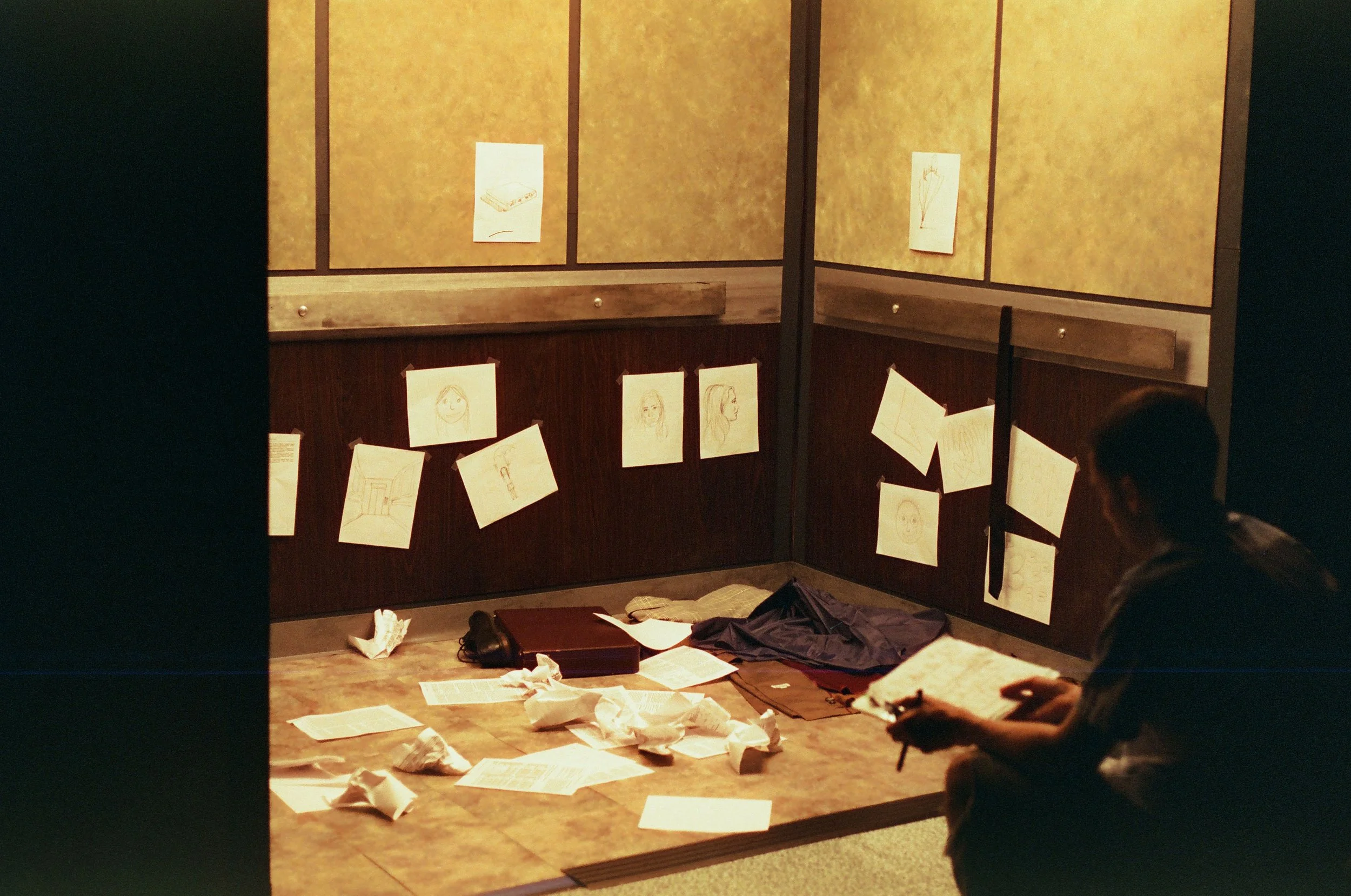
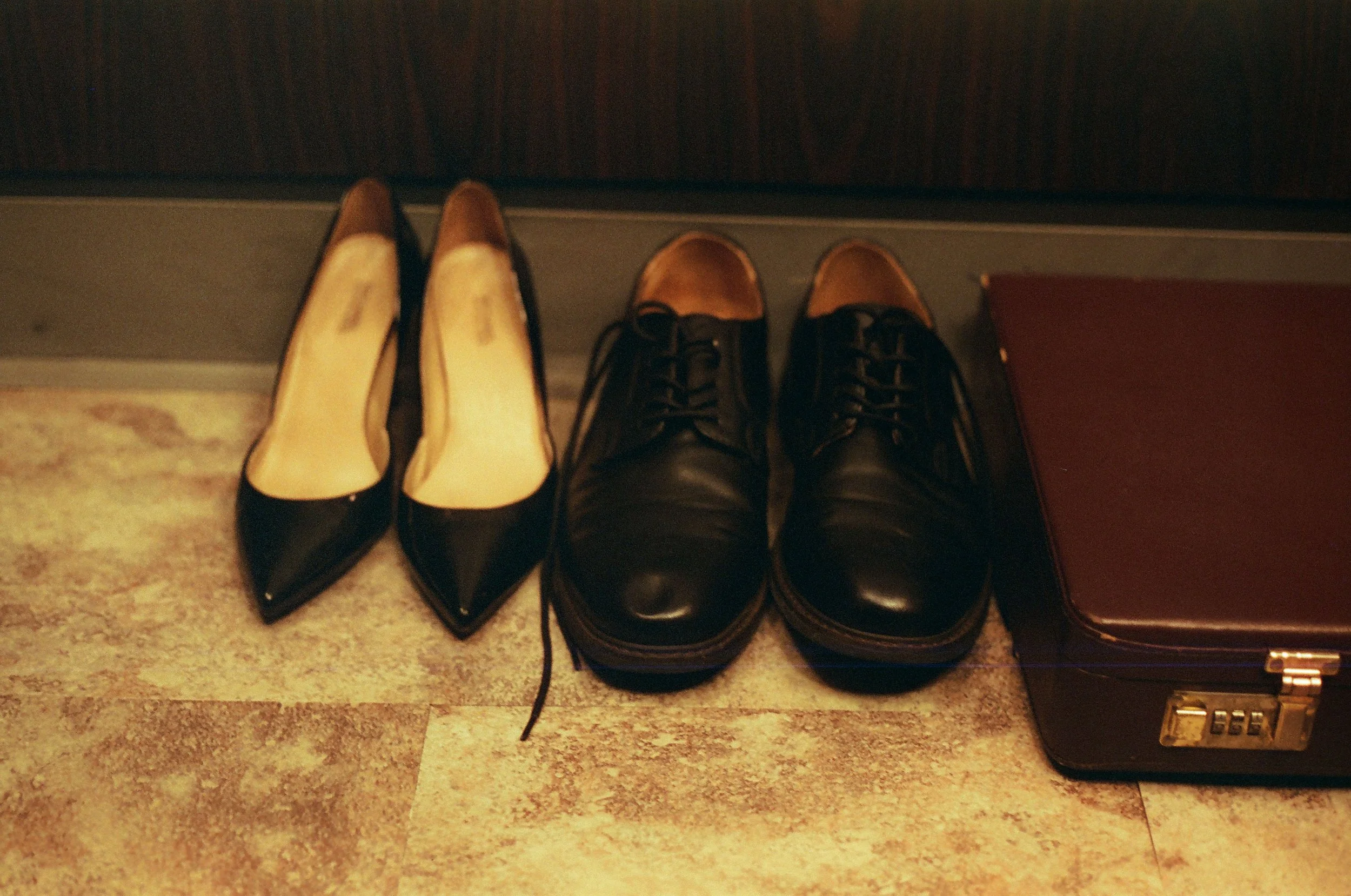
We decided if we were going to spend that kind of money, that we might as well build an elevator set, with walls that could tear away to get the kind of angles we were looking for. I reached out to Elizabeth Chaney, a talented set designer for BMCC who I’d met on a previous music video shoot, and as luck would have it, she was off for the summer and looking for exactly this kind of project to fill her time. She put together some material options and sourced everything, making it look deceptively effortless as usual.
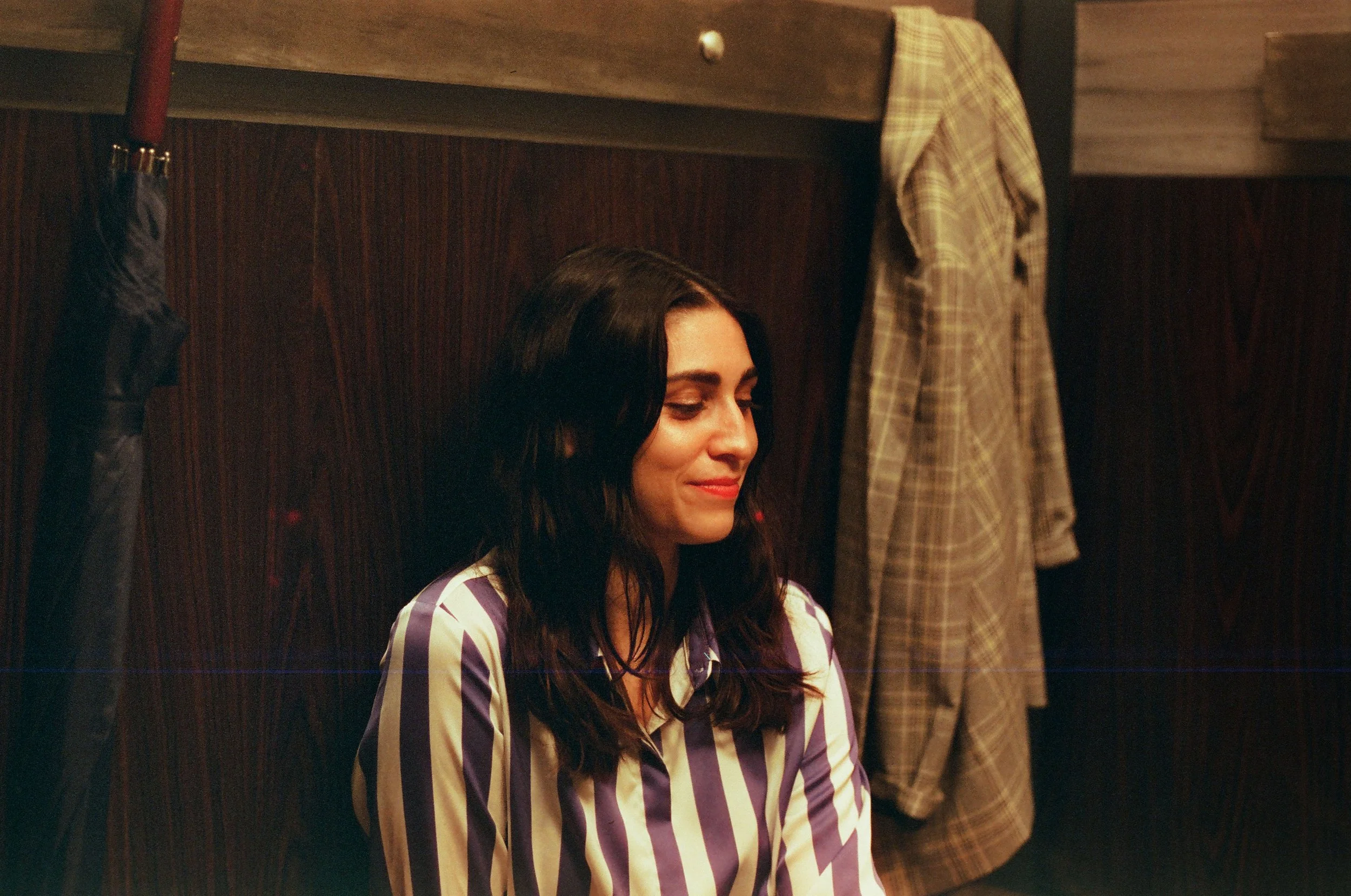
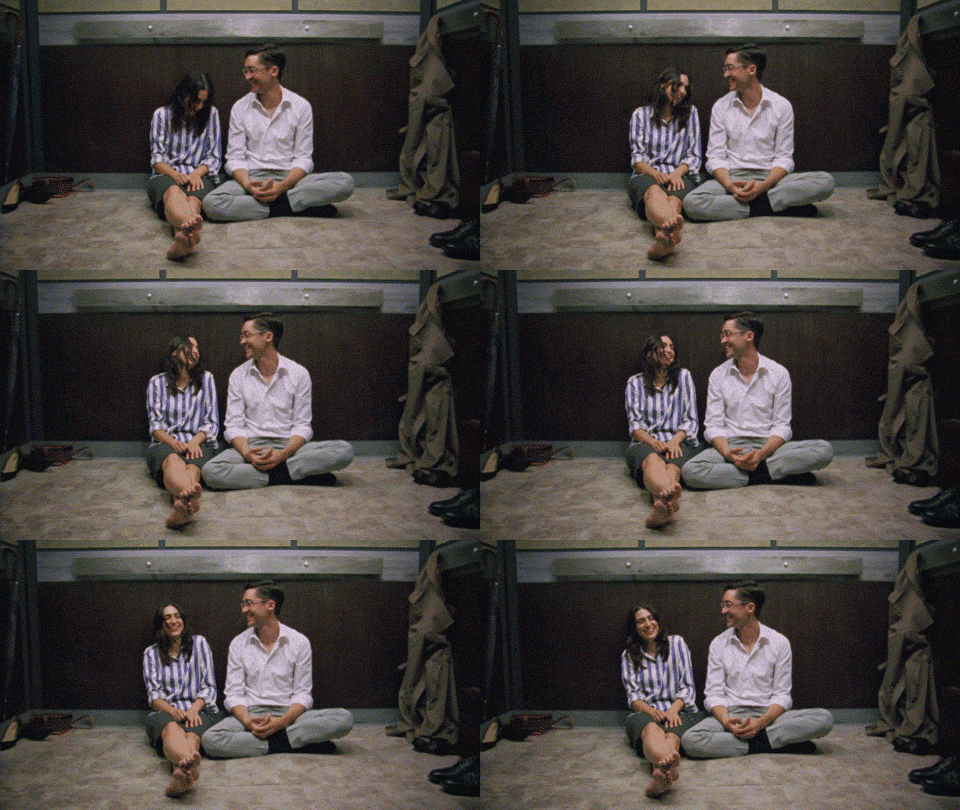
Martin Parsekian who I’d collaborated with on several music videos came onboard as the Cinematographer. Having just outfit himself with a new camera, we shot the film on 16mm on his Aaton Minima. Burning too much film was still a small concern, so I made some fairly specific storyboards and Martin translated them perfectly to screen on the day.
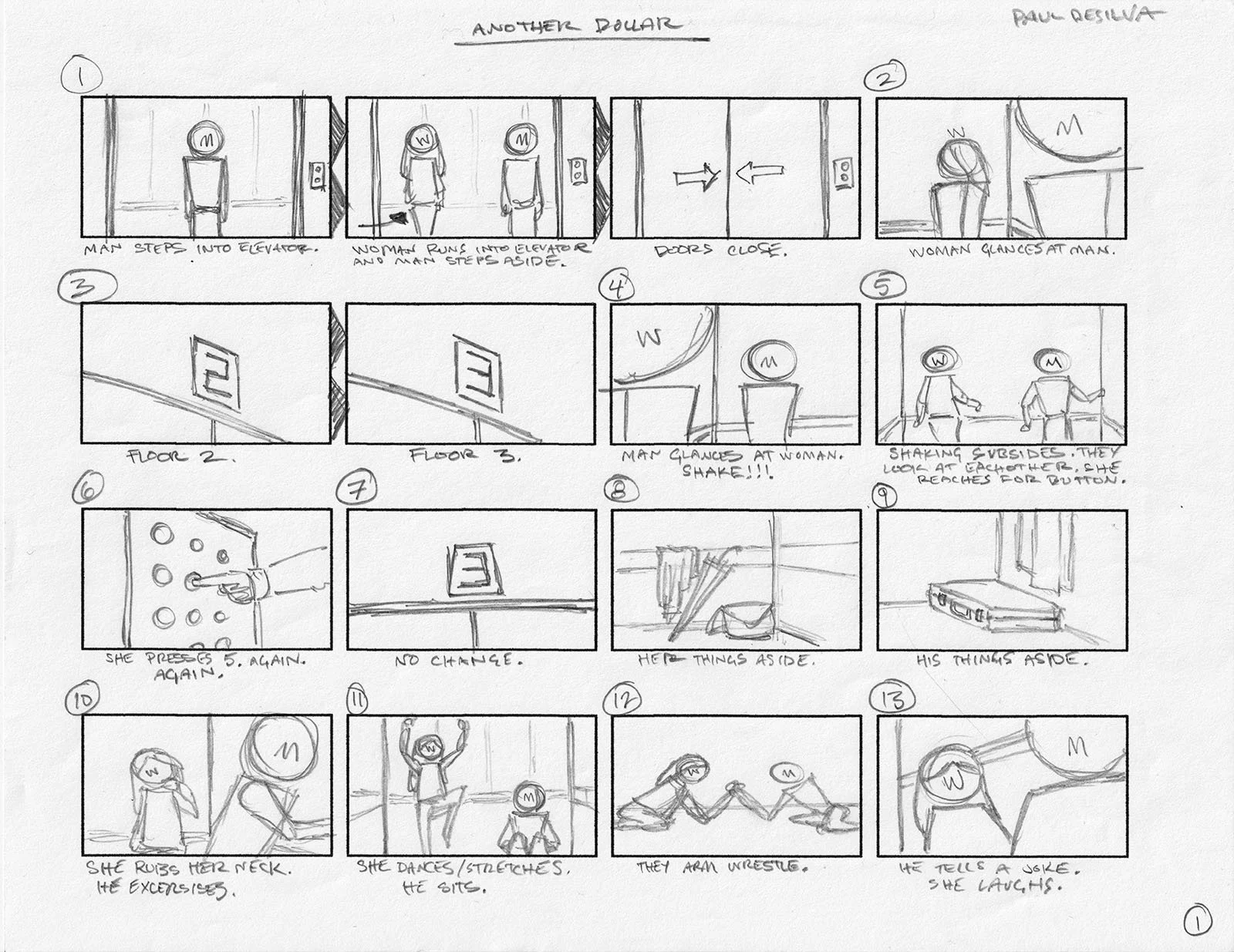
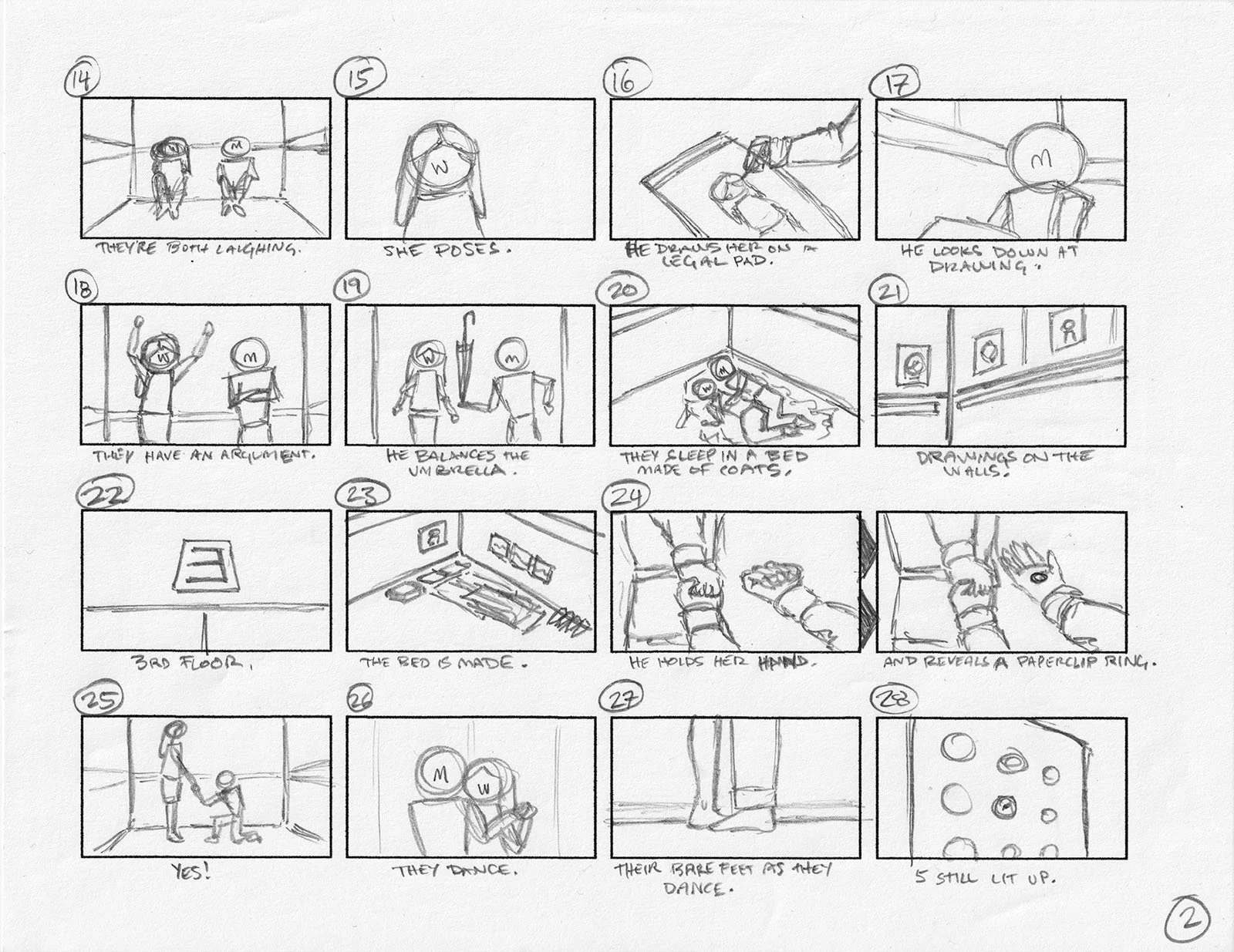
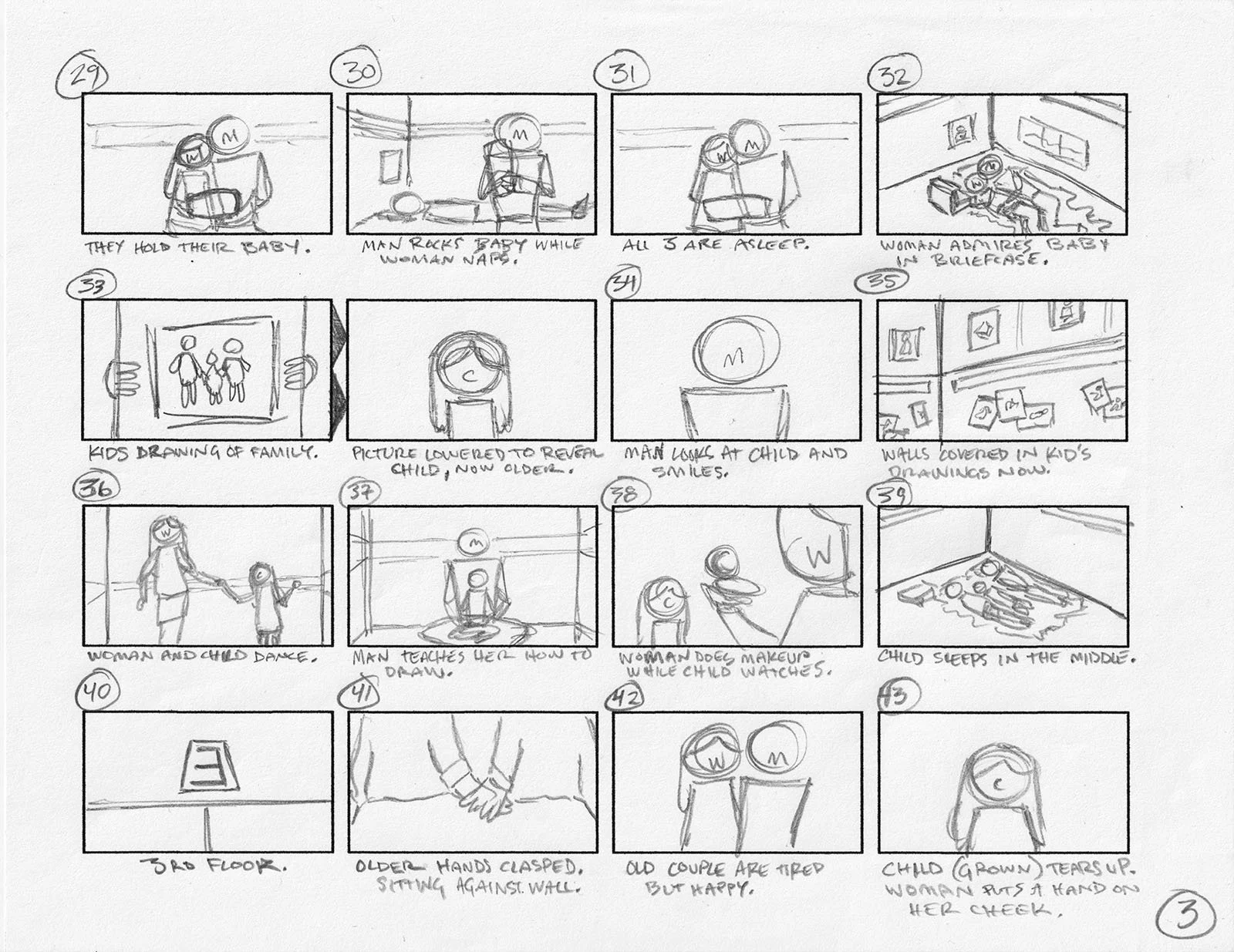
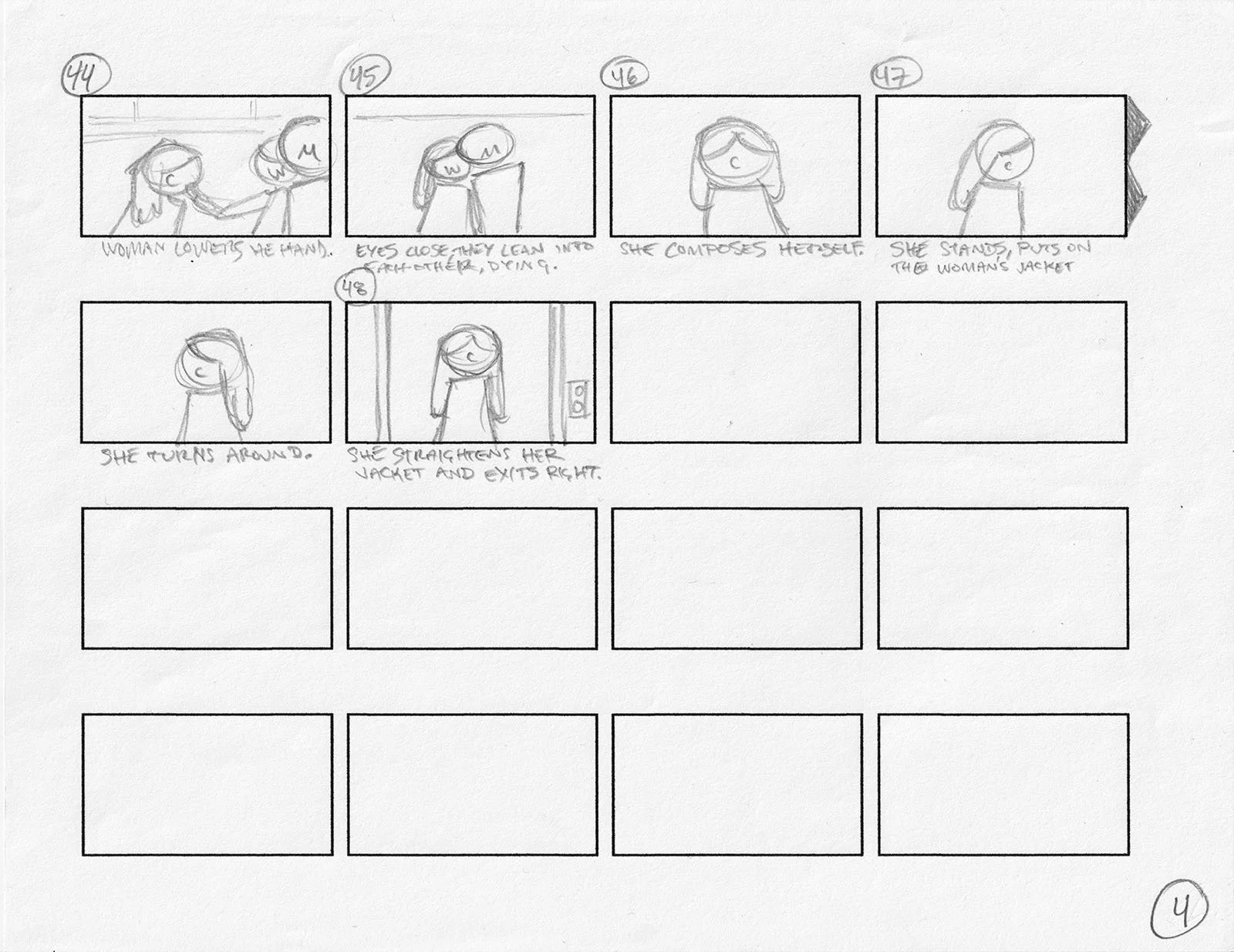
My goal with the boards was to tell the story as economically as possible and, aside from a few small edit changes in post, the final film stays fairly close to the boards. For the electronics that were in the film such as the floor indicator above the door or the buttons on the wall, I was able to find an elevator in a friend’s apartment building with a similar splotchy yellow wall color and shoot those as inserts.
The film stock was sourced from Mono No Aware, a great non-profit that provides affordable film, classes, and lab services. The film was developed and scanned by Metropolis Post.
I wrote the musical loop myself and recorded it with the assistance of Anders Nils, who also handled the speed ramp effect you hear throughout the film that counterbalances the time jumps of the montage with a slowing of the music until it becomes indistinguishable atmosphere.